The capacity to FORGIVE is a divine gift. It can precipitate healing within people and among groups of people. The person who initiates acts of forgiveness is usually (but not always) the one who reveals greater strength. He or she may be the one carrying the deeper burden. It is the stronger person (usually) who is first to forgive, and both parties – the forgiver and the forgiven – benefit from the act if apologies are expressed and accepted. When I choose to forgive I seldom have anything to lose, and usually much to gain.
I know I harbor resentment when I am uncomfortable being around a particular person and would rather avoid him or her. I know I am holding onto hurt when I have little or nothing positive to say to or about someone and when I find it hard to think positive thoughts about someone. I will forgive as efficiently as I find it possible and can muster the strength from within to do so.
I will forgive when someone’s actions toward me (real or perceived) seem sealed into my consciousness and I can’t let them out of the prison within my head. I know it’s time for me to forgive when I feel haunted by someone whose acts against me will not let me go. Forgiveness links me with the divine, heals fragile families, calms hurting communities and restores hope within broken people – and – sets the forgiver free.
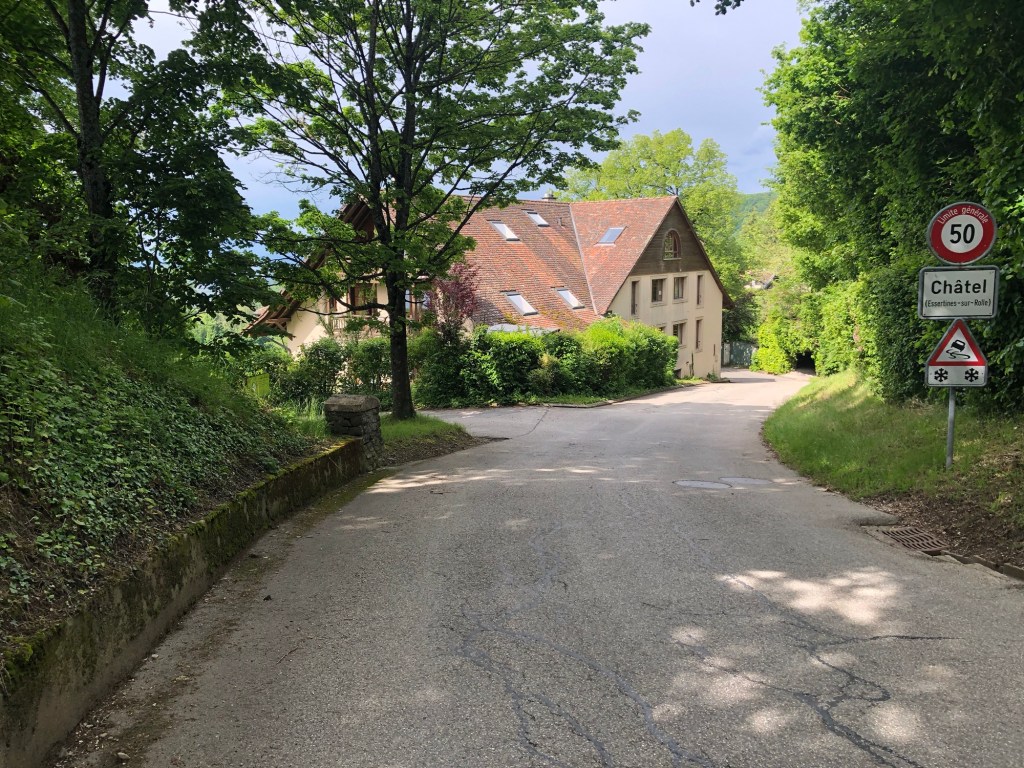
Our daily walk takes us through this forest — a 5 minute walk from our home
I EMPOWER others and myself when I get out of their way and anticipate that they will speak for themselves. I am empowered when I understand and apply the critical distinction between being responsible TO others but NOT and responsible FOR other adults. I empower others when I allow choices and consequences of choices to run their course. I am empowered when I learn to distinguish between helpful pain, necessary, useful anxiety, what to embrace and what to ignore. I am empowered when I work at healthy, necessary separation, even when in love, and even when having strong soul-ties.
I ENABLE others if I lie to cover, run interference, or protect others, in hopes of keeping people employed, protected, or “close.” I am an enabler if I feel overburdened with mis-placed responsibility or rewarded with mis-placed responsibility for anyone. I am enabling others when I feel like I am living more than ONE life. I am enabling when someone’s choices – both good and bad – feel like my responsibility. I am enabling when I am unable to see myself as a separate being from another, and regard the connection as “oneness” or love, a soul-tie, making the enabling crucial, necessary, and somehow inescapable.
Deep down where soul, spirit, will, heart, mind, join forces within me, I have a magnificent gift.
It is the God-given desire for AUTONOMY.
It comes packaged with my humanity.
Yes. I want to be autonomous, occupy the driver’s seat of my life. I want and need ALONE time; an hour or two here and there, a day or two, even a week or two. I want the freedom to plan, enter my sacred, private space, engage in uninterrupted thinking, do my own seeing, feel my own feelings, forge my own pathways.
This desire habitually whispers, and sometimes unfortunately, it has to yell for recognition. This is especially within my deepest, loving, closest and committed relationships. If I repeatedly ignore this primal beautiful part of me, I place my emotional well-being and physical health at risk. This beautiful gift, inextricably integrated with who I am, will demand attention if repeatedly ignored, denied, or overridden.
Acknowledging, respecting , enjoying, my desire for autonomy, enhances my capacity to love myself, love others, and become, even more beautifully, fully human.
(* to be read in conjunction with “I is for Intimacy” — Day 9!)
We have talked at various depths about 6 of the 8 concepts. Today we shall complete the underlined 2 – my hope is that you will see how they all interlock, a sort of rubik cube where all the parts are all the parts and yet all separate at the same time – I know, I know, not easy to visualize!
* Today’s Scripture passage illustrates Differentiation of Self under the most extreme of conditions. It also illustrates societal emotional process (mass behavior) although that comes later than the portion of reading,
** A family genogram
Your three adult (your NOW) genograms.
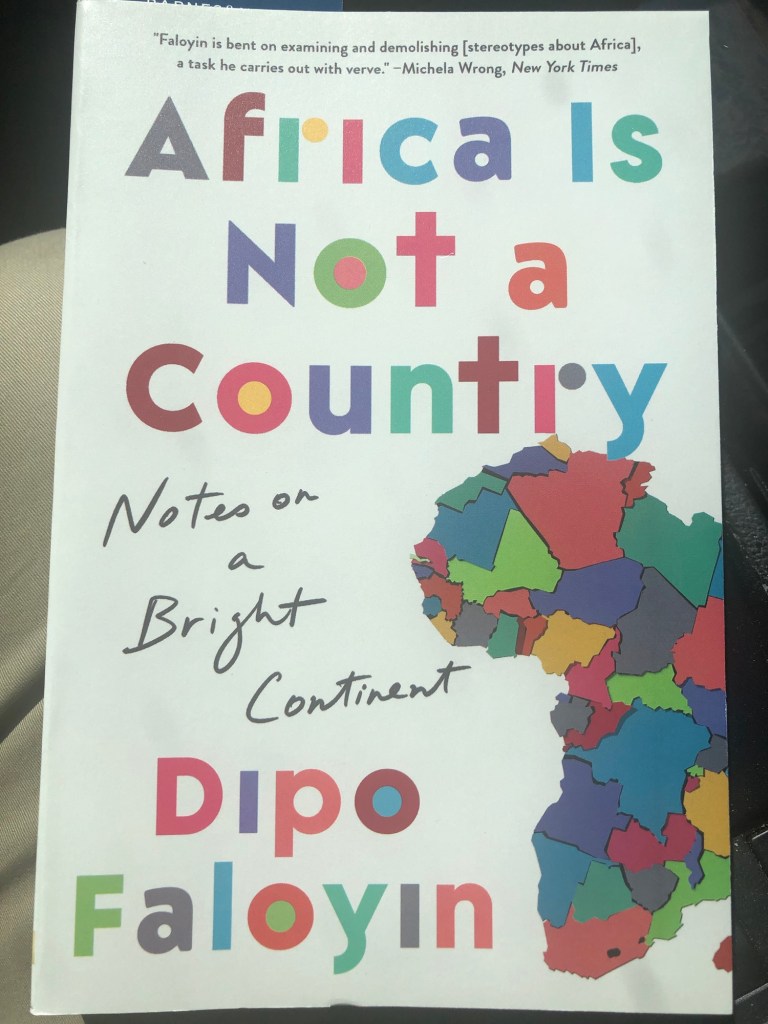
I highly recommend this book — I can hardly put it down.
Within milliseconds the drawbridge – we each have one – may go down with a hearty welcome or remain up and sealed shut.
There may be Immediate comfort or discomfort, or levels of both.
Suspicions may be endorsed or deleted.
Information and misinformation transmission occurs at a speedy rate.
We read and misread and read and misread each other constantly – all within the backdrop of our unique experiences and training, our hurts, pains, goals, and desires – known and unknown.
The accent (if one party is not from “here”) is loaded with meaning. Clothes (anything unusual); laid-back or dominant stance; voice tone, volume, intonations; levels of energy or lack thereof, are cumulatively processed.
Triggers can be triggered. Stereotypes ignited. Warmth flows, or doesn’t.
The wave, the handshake, the hug, smile or frown, degrees of sincerity or insincerity are downloaded by the “who-are-you” antenna and the “can I trust you” antenna issued to all at birth to be processed with the morass of stored history, experience, memories, good and bad.
Every encounter is a miracle.
And, yes, with all that, we — you and I – are called to be neighbors and to love one another.
Introduction to Bowen Theory and to the week ahead.
Exercise: PSALM 23
Genograms.
This is a drawing of any client’s family relationships covering at least three generations. It is always a “drawing in progress and process” as people and families are constantly evolving (chabing, growing).
The genogram is a predictive tool (it is not determinative) revealing what’s likely to occur within a family (where and when there is no intervention) by seeing what’s set in motion by preceding and passed on from generations.
My hope is that each student and staff member will complete his or her Genogram.
All family members are deeply connected to all other family members. The manner in which people are connected either nourishes or drains individuals and the entire network – and, of course – many relationships do both and at the same time.
Size (power, perceived importance, lack of boundaries) matters in all relationships – family or not.
What is desired and the goal for all of our relationships? Respect, Mutuality, Equality.
If we had a chance to talk and listen to each other, here are a few things I would enjoy talking about:
I’d like to talk about what each of us is really good at and hear and tell a few stories to demonstrate our identified strengths.
I’d like to hear about three or four defining moments in your life – when things shifted or directions changed – and tell you about a few of mine.
I would like each of us to hear about the people who love us or have loved us and for us to tell a few stories about how the love is (or was) expressed.
I would like to hear about how you see your future – no matter what your age – and have an opportunity to tell how I see mine.
I would like to hear of occasions when you have been misunderstood and what others tend to misunderstand about you. I’ll be more than ready to let you in on my experiences of being misunderstood.
I would like to hear about what you want and tell you about what I want. If we get this far in our talking I hope we are both ready for the most spiritual discussion possible which is deciding and declaring what we really want.
The Art of Adulthood demands the practiced skill of knowing when to remain silent, when to speak, and to hold onto the tongue when do speak.
Self-monitoring, self-awareness, an appreciation for the impact we each have on ourselves and others – are crucial gateways to adult emotional health.
I have left a gathering knowing I have talked too much, over-shared, made unnecessary comments, even, and this pains me to write, hurt another, someone present or absent.
Have you done this, too?
You got a little thrill the moment the words came out of your mouth, a brief high of apparent inclusion. The tid-bit shared became a window or door or crack to the “inside” of who knows what. But, given time, which could be seconds or hours, there was regret.
You let yourself down.
Said too much, hogged the floor, or bruised another with an unnecessary comment or story. Yet, at the time and in the context it felt real, important, or playful enough to get a giggle.
Then you were hit with a feeling you’d rather not have had.
I know about this. In a desire for some weird or momentary high or sense of importance I added content to a conversation that was unnecessary, even harmful.
Silence would have been wiser.
Live. Learn. Decide.
Apologize if necessary and possible (it is not always possible).
Do better next time.
I am now finally available for Zoom consultations – email me if you are interested.
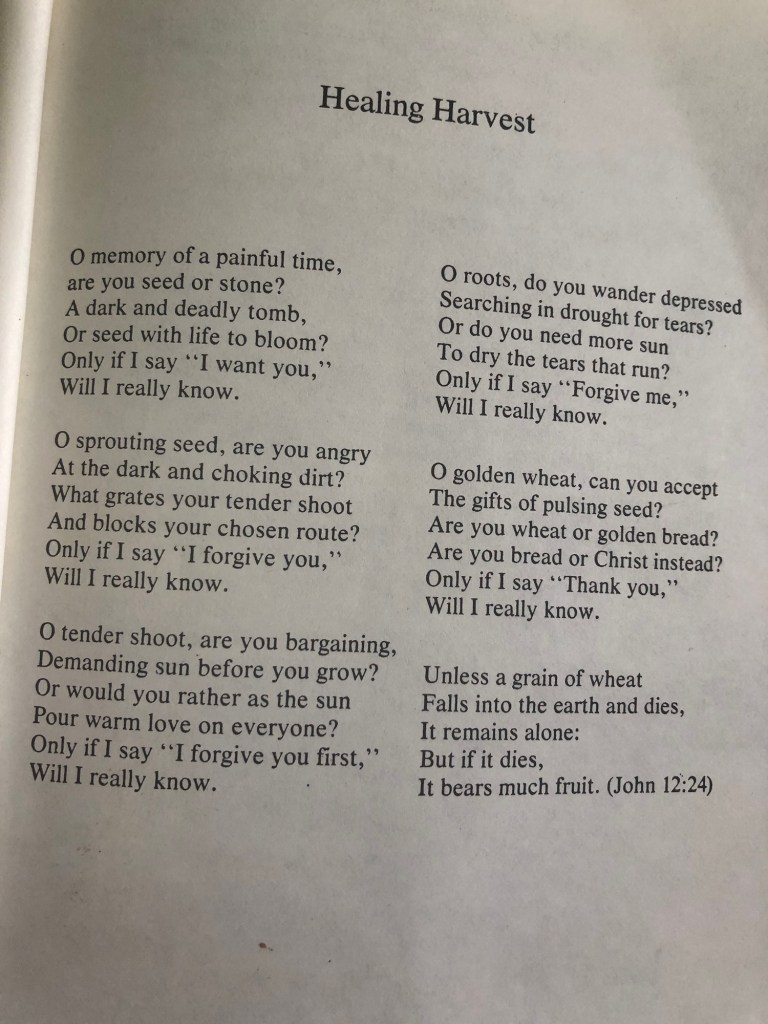
A poem I rather love —- by Dennis and Matthew Linn — from their book “Healing Life’s Hurts”
The “outside world” can be a dangerous place for children.
Another exceedingly dangerous environment for children can also be their own homes. While medicine cabinets, cleaning materials and unlocked swimming pool gates are a legitimate threat to the child-safety, the unguarded mouth of an angry adult can inflict grievous harm to a child.
A vigilant parent might install childproof locks yet leave a totally exposed web of anger in every room of the house. Unresolved anger in a parent, expressed through unpredictable displays of frustration and annoyance or rage, can quite effectively sabotage a childhood and even pass a baton of anxiety and rage to unborn generations. It is in their own homes that children might be at most in danger. At home they learn about trust, and exercise the most trust. It is at home they will learn, or fail to learn, by watching and experiencing, almost everything they will ever know about love.
It is at home they will make the most mistakes and receive the most affirmation and correction. It is at home that children will learn about fear and hurt and rejection and empathy and love and acceptance.
Children are constantly seeing, feeling, learning, trying, sometimes succeeding, sometimes failing, watching, waiting and taking it all in.
Monitoring diets is a crucial aspect of childhood health. Another “diet” is the calm, security, predictability and warmth healthy parents can provide.
If you have the opportunity to see “The King of Broken Things” run at it.
What thoughts keep you awake or greet you first on waking?
What thoughts can you not shake?
I will let you in on what’s on my mind if you are interested.
If you are not, I understand.
I often sigh and move on when I receive a parallel invitation.
In November 2023 had the joy of teaching young adults near Lome, Togo.
I noticed groups of children walking to and from school. The chatter (in French) caught my ears; the neat and proudly worn uniforms, my eyes. The shared joy and delight of the children touched and warmed my soul.
I asked questions here and there to find that the school is indeed on the same property where I was teaching and run by the same organization.
I requested a visit.
It’s a bamboo L shaped structure. In one corner of a sandy play area there is a single netball hoop with no net. The student body of about 250 children, Kindergarten to about Grade 6, under the tutelage of about 10 faculty, using merger supplies, are heads down and studying, reading, or writing notes off more-than-used chalkboards.
In one room there was beautiful singing.
As I walked through each bamboo room I saw joy and serious study occurring.
I found out that when the weather changes all are sent home to safety until bad weather passes.
Contact me if you’d like to assist – and build a classroom or two.
If you are a taxpayer in the USA and give a gift (large or small) your gift to OPENHAND INTERNATIONAL, INC will be tax deductible.






 difficultrelationships.com