Most USA schools are back in full swing…… at least around here they are:
Hats off……
Hats off to teachers and coaches who love the world and its peoples and whose zeal for both results in empoweing students of all ages.
Hats off to teachers and coaches who love their subjects and sports and whose passion for their work opens vast vistas of opportunities for their students.
Hats off to teachers and coaches who are as tough as nails over matters of integrity but are easy sells when it comes to listening and attempting to understand students and their home-lives, peer, and social struggles.
Hats off to teachers and coaches who know their students well enough to be able to anticipate and address problems before unnecessary escalation.
Hats off to school administrators who have the courage to support teachers and coaches in the face of often difficult parents and who have the courage to listen to all parties before they act.
Hats off to school administrators who aspire to serve rather than be served, who understand the power of humility, and who see their essential role as empowering coaches and teachers and students to get the very best from each other.
Hats off to parents of students who seek to respect and learn from their children’s school teachers and coaches and administrators rather than demand rights or seek to chastise or correct.
Hats off to Librarians, Musicians, Counselors, School Security Teams….. and all who work daily to keep our students motivated, kind, and safe.
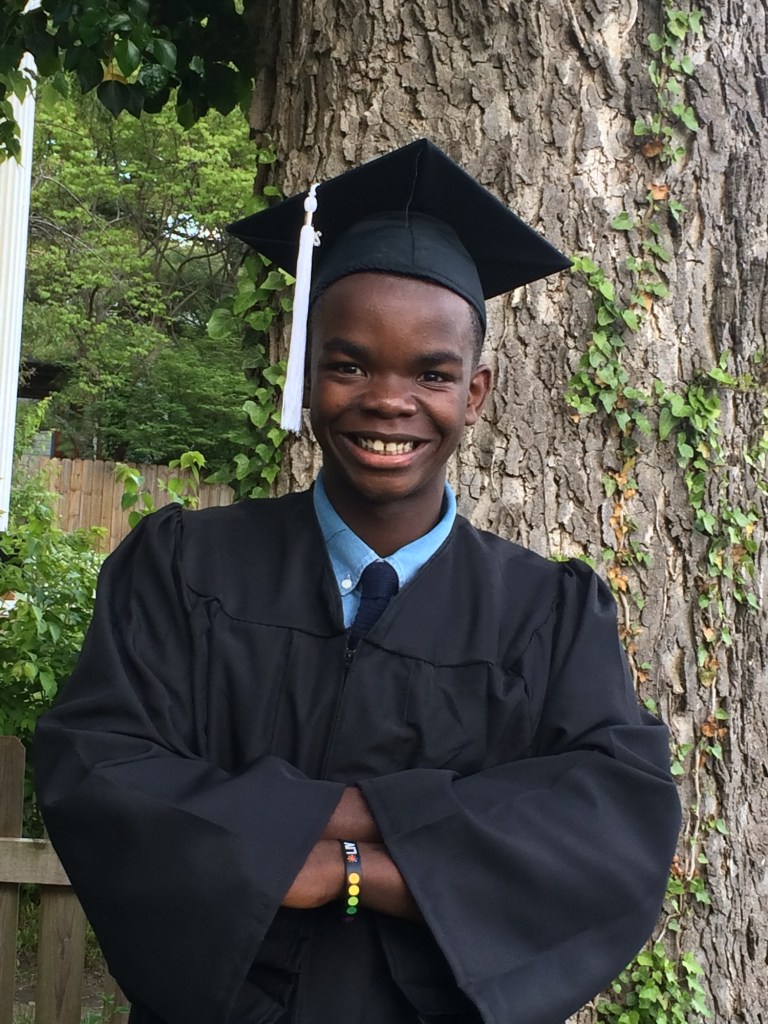
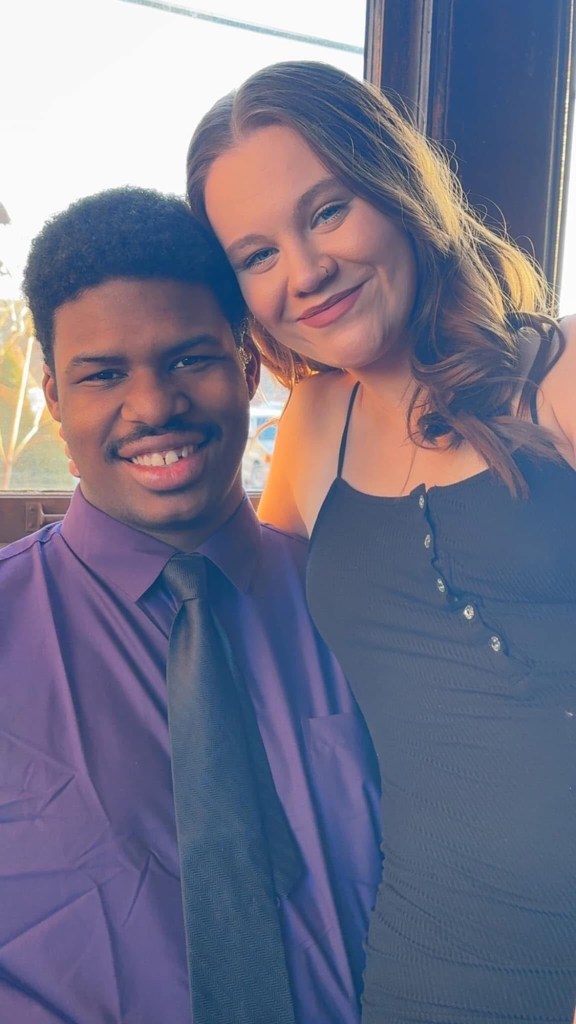
Andrea Neal, Jay Sherrill and so many others who regarded Thulani and Nate as their own.
Israelite-Nathanael gets an invitation to meet Nazarene-Jesus and responds rather snarkily:
Can anything good come out of Nazareth?
This exchange, recorded early in the Gospel of John, intrigues me and, as a result, I’ve always loved the person and name Nathanael.
He questioned, appeared playful and unintimidated.
On meeting, Jesus greets Nathanael by name, interprets his name, tells Nathanael He had seen him before Nathanael was aware of being seen by Jesus.
In modern parlance Jesus saw through the Israelite, welcomed everything about him, called him into a life-changing journey and Nathanael readily responded
Nothing takes the Son of Man by surprise: Jesus saw Nathanael coming and New Testament Nate more than met his match.
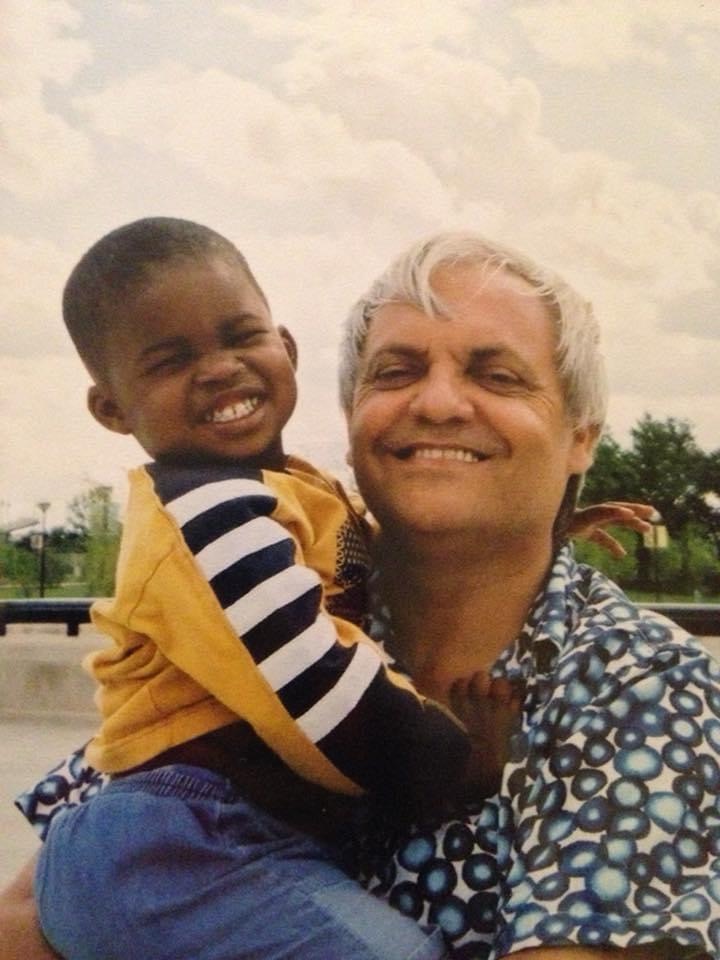
Jesus saw my Indianapolis-born son coming, too.
I didn’t. I had to decide blind.
Privacy laws permitted limited information – African American Male, Date of Birth, Full Term – was all I could know.
Pondering names for my son, whom I was yet to meet, the no guile or nothing false in Jesus’ description of Israelite-Nathanael wrapped it up for me.
Enroute from the courthouse to the hospital, custody papers in hand, with a stop at the K-Mart on Lafayette Road to pick up a few baby-essentials, I named a baby and formed a living link with a favorite character from the New Testament.
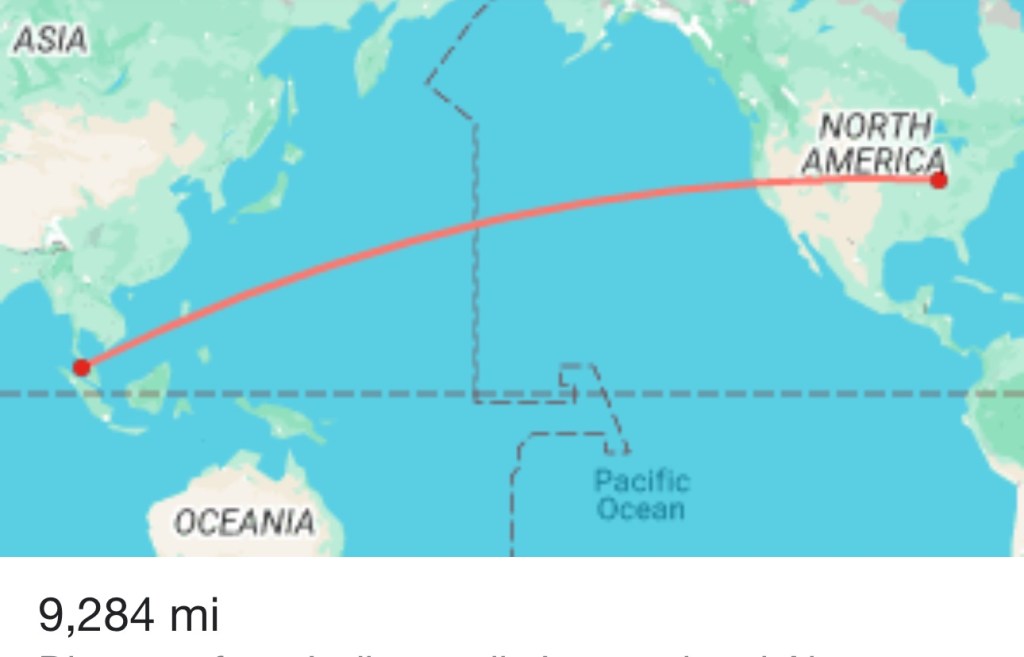
After landing from Washington DC we — a packed A300 — left Brussels for Bujumbura almost on time.
Under an hour from the capital of Burundi, the captain suspended food service, the last go-round of coffee or tea and soggy bread rolls of the nine hour flight.
The plane had rocked a little here and there, but apparently seeing something only visible on the flight deck, the captain told the flight attendants to take their seats. A few weightless moments followed which got the passengers a little unsettled – think roller-coaster at Kings Island – but when the plane jolted and an overhead bin or two opened and some guy heading from the restroom lost balance and fell into a row of seated passengers as we swayed side-to-side and dipped here and there the spread of anxiety was palpable.
It was soon over and really wasn’t too intense of a storm. I’d already given the turbulence 4 out 10, maybe 5, on my turbulence scale and so I was quite surprised when the pilot announced we’d be ditching – my word not his – our scheduled landing in Bujumbura (my destination) and head for Entebbe, Uganda, to get a minor repair to the damage the aircraft’s systems was reporting.
“Flight attendants prepare for landing,” he said next, and we almost did.
I am unsure if the wheels touched ground or not but when the captain or someone in the tower changed our plans and the Airbus accelerated and expedited a sharp upwards turn the force pushing us into our seats was jolly impressive. The dignified long-haul people-carrier showed off a little, more than flexed a muscle.
“The change in plans to land had nothing to do with the storm damage,” the captain said, “it was cross winds. We are going to another runway. Different angle. We will be on the ground in a few minutes.”
It’s quite common in many parts of the word for passengers to applaud when a plane touches ground.
This time it was thunderous.
The nick on the windshield, I later heard about what was damaged, grounded the Brussels-bound outgoing flight and so we were all ferried with our baggage to The Imperial Beach Resort.
This is my second night in this gorgeous Ugandan resort.
Dad owned the tearoom near the top of Blackburn Road next to the Dutch Reformed Church up the road from Park Hill Soccer Club.
You may or not have known him by name but you may have been a woman in need of milk for her baby. He would have given it to you “under the counter” as if defying the boss which, of course, was himself. When you tried to pay he may have whispered “take the milk, my dear. No baby should go without food. Keep your money for something else the baby needs.”
Or, you may have wandered into the shop and said you had no place to stay for a while and he may have said “we have plenty of room here” and given you a bed for a week, a month, even longer.
Perhaps you knew him because you faced addiction to alcohol and he was your Alcoholics Anonymous sponsor and he said “just for today” to you and told you he’d decided he’d no longer drink “just for today” until his pledge spanned decades of sobriety.
Did you know my dad?
You may not have known him by name but perhaps you went to his tearoom where he served bread, milk, kindness and good humor and wrapped the goods with the feeling that you were known, you belonged, you were important.
As well-intentioned as we may be in desiring to avoid conflict and “keep the peace,” we create more problems we must face later by running or playing hide and seek. Then, when we do face matters, we’re not the people we once were.
Avoidance is a quick-change artist! It changes us in ways we are likely to regret.
We cannot solve or improve what we will not face. Denial gets us no place worthy of the journey or the unintended, unwanted destination. Until we gather the courage to look difficult situations directly in the eye and expedite what is necessary to face the difficulties, conflicts will stay as they are and they’re likely to deteriorate.
What we avoid shapes us in ways we may never notice. We modify our habits in order to sustain our denial and avoidance. We change our friendships in order to sustain our patterns. We go out of our way to keep the peace but the new path is one to further avoidance. Our defensive habits defend us in unhealthy and unhelpful ways and make us into people we’d rather not be.
Avoidance of necessary battles creates unintended distance from others — even those we truly love.
There is no worthwhile substitute for early honest approaches to family or business conflicts.
Avoidance makes the heart grow harder.
Ours.
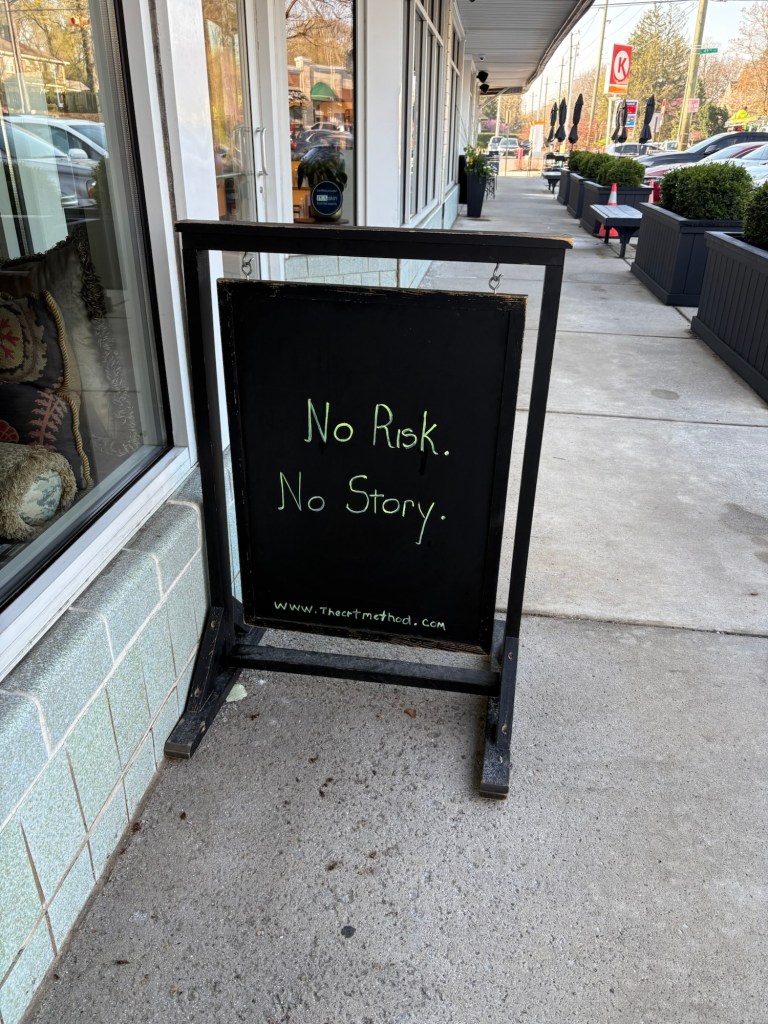
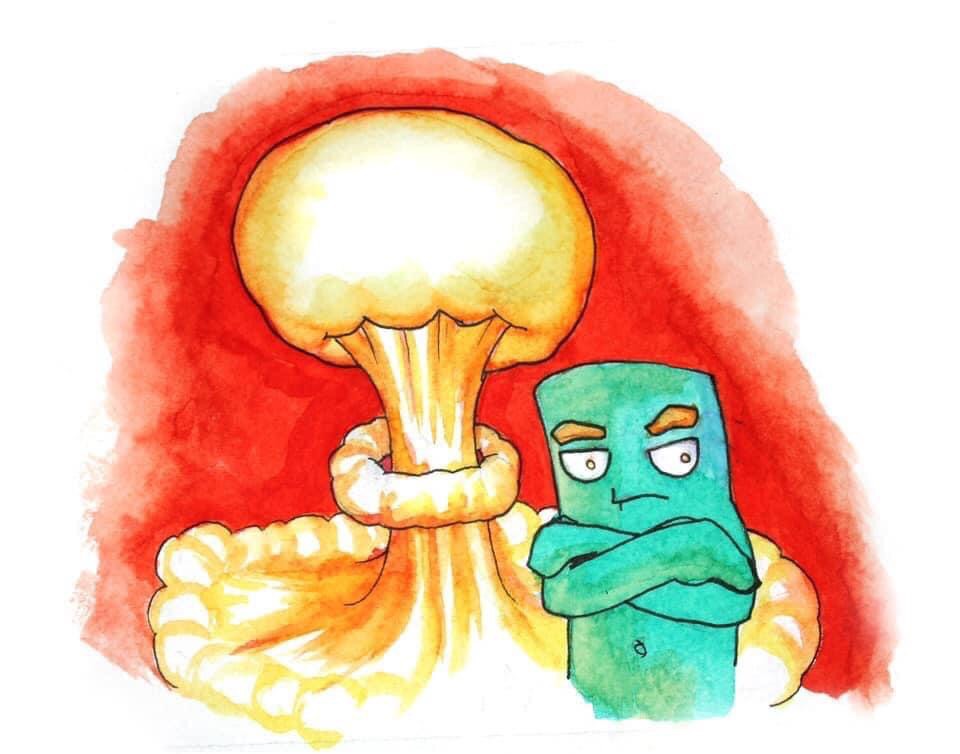
I enjoyed this side-walk art…… 49th and Penn in Meridian Kessler, Indianapolis
I shall strive to speak and teach as one who has indeed much to learn.
In every classroom we are all learners.
I shall strive to listen to people in the class (and out of it) as if I were listening to the mountains.
Mountains reveal their real beauty to the dedicated observer, beauty that’s easily missed by those who offer casual hurried glances or who are themselves caught up in how they look or are dressed or what the student may think of them.
Can there be a greater privilege than jetting to Penang to teach Family Systems?
Most people welcome it from a friend or a family member.
“Let us…..spend some time together.”
“Let’s call each other, often.”
“Let us take a walk.”
“Let’s build a community of trust and mutual support.”
“Let’s build a business together.”
“I can do so many things alone but I’d much rather do things with somebody, really, I’d rather do it with you.”
“Why don’t we…..” is also an encouraging and beautiful thing to hear.
“Why don’t we go to lunch, get tea in the park, pack a sandwich or two and head to the beach.”
“Why don’t we just sit together for a few hours?”
“I miss you. I think about you. I wish you lived nearer.”
“I want to see you” – are powerful words that can feed a soul and confirm the idea that it is the thought that counts.
“I want to be with you in what you are facing. I want with-ness with you. I am lonely without you. It’s not that I don’t have people around me or time with people I love, it is time with you that I want.”
May we not hold back on expressing our love to those whom we love.
Not everything is proceeding as you’d prefer. You notice you are starting to avoid and resent some members of your team and some people in your organization. You’d rather not pick a fight so you’re managing your day (week, month) around who you do not want to encounter. You notice, on occasion, there’s a dictatorial edge lurking just under your calm exterior and you hope it is not going to take you by surprise.
Find a leadership coach.
You find yourself taking sides on issues and recruiting those who are on yours. While you know that surrounding yourself with YES men and women is probably not good for your organization it feels good. You know that the people who hold counter opinions are good for you and for you and for your organization, you’d like them to ease off a little.
Please, find a leadership coach.
Your family is getting in your way and there are times you want to stay at work rather than go home. At the very same time, when you are home, you want to work from home to avoid some of the underlying conflicts you have to address at work. Nowhere feels completely comfortable right now.
Please, for everyone’s sake, find a leadership coach.
“Now what would Jesus do?” asked the woman glancing at her WWJD bracelet.
“Grape nuts,” replied the companion, as if he’d served Jesus breakfast that morning. I slipped away pondering how the will and the ways of the greatest political, religious and social reformer of all time got reduced to a formula for grocery shopping.
What Would Jesus Do is a great question to ask, but wearing it on a wrist somehow suggests that the answer is easily accessible. It suggests that if you and I will simply stop and think a little, having eyed the bracelet, we’ll get the answer. Then, as we act on our newfound knowledge, predicaments will be resolved, we will have better lives, and conditions in the world will improve all around for everybody.
Quite the contrary: Answering the question and doing what Jesus would do in any situation is neither easily established nor executed. Finding the answer itself would take a lot of work, like tunneling back though a couple of thousand years, researching culture, geography and weather conditions and the varying political and religious climates. Then we’d have to identify, and then decipher, metaphor, understand and interpret tone and intent, humor, and immerse ourselves in at least a few ancient languages. Besides all this, we’d need a working knowledge of the subcultures and the prejudices that existed within those subcultures. Then, with all this done, we might be able to decide what Jesus might think, might say, might do, given a few, but not all, situations we face.
The next challenge, once we’ve established the answer, would be to have the courage to do what Jesus would do. WWJD is not about “doing the right thing.” Jesus did not always do the “right” thing. If that were so, no cross would have awaited him. Doing the “right thing” would have endeared him to those who mattered and would not have required him to buck Rome and the Temple authority.
Essentially Jesus laid a platform for his followers to live differently, in ways that set both the religious establishment and Rome against Jesus and those who followed him – embracing Samaritans, making a Samaritan the hero of a parable, illustrates this. That alone was enough to put a target on his back. It doesn’t take too deep an analysis of the Gospels to see that he despised pretentiousness and empty religious “performance” and was particularly vocal wherever he found religious zeal devoid of inner transformation. Jesus despised abusive systems and was a particular critic of those who ripped others off. So now, where will you bank, shop, invest, give, worship? How will you vote? How will our practices change were we to take WWJD seriously?
I do not think Jesus cares what cereal you buy, what dress or suit you wear or how your hair is or is not cut or if you wear a hat to church or not. But. I do believe he cares about what kind of people you and I are and whether we love mercy, humility, truth and justice. I believe he cares that we challenge systems where these qualities are absent. I do think Jesus cares about what motivates you and me. I do think he cares about how we treat the poor, the homeless, the disenfranchised. When we (you and I) elevate the rich and show contempt for the poor we get his goat.
It is apparently forgotten that Jesus was hardly a nice guy. Today he’d be a threat to our political order and might not be able to find a church he’d attend, let alone one that would permit him to preach! Consequently, doing what Jesus would do could significantly reduce our popularity rating.
The real question, by the way, is not “What Would Jesus Do” but rather what will you, what will I do, in response to what he has done?
It’s not grape nuts or cheerios, but love, mercy, humility and justice that may bring us, yes, you and me, all a little closer to reflecting who and what Jesus was and is. But be careful, you might shed the WWJD bracelet and exchange it for a cross – and it won’t be hanging around your neck.
————
* When published in The Indianapolis Star, this column certainly got me some fans – and enemies. The morning it appeared my email was as hot! I was called brilliant, I was called stupid. One reader said that finally he’d read something by an intelligent Christian about a really stupid gimmick. Another said he’d be praying for my salvation even though he was convinced I was a lost cause.
———-
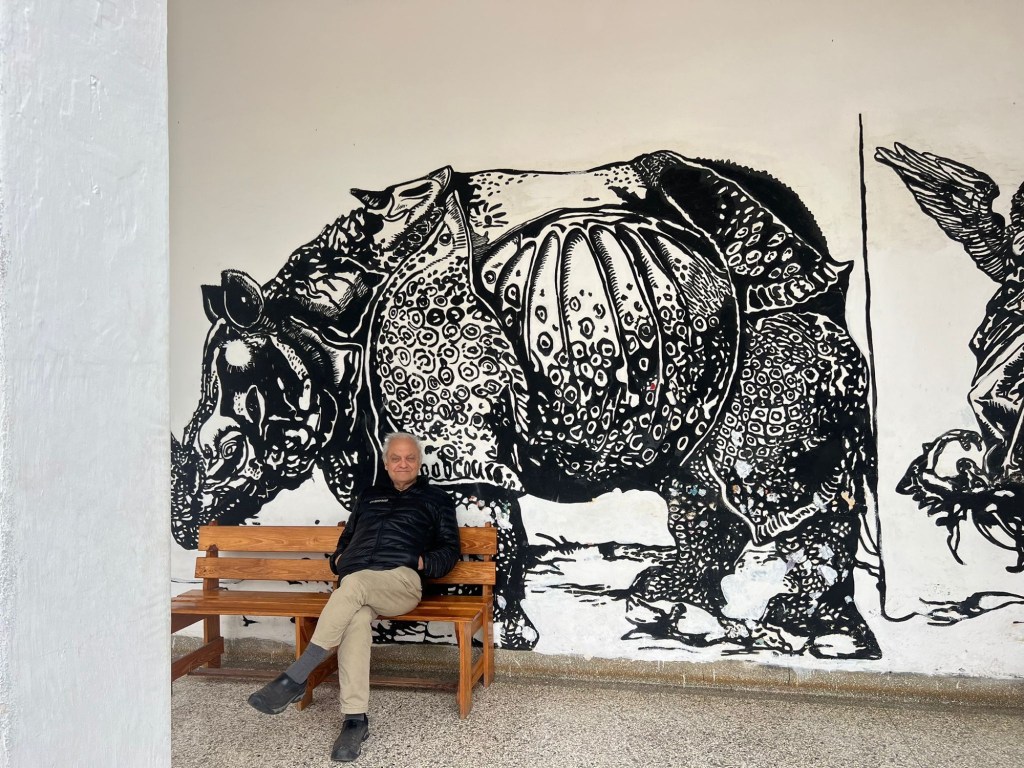
Unrelated image…. Meditating a moment in an Havana Art School


 difficultrelationships.com