Israelite-Nathanael gets an invitation to meet Nazarene-Jesus and responds rather snarkily:
Can anything good come out of Nazareth?
This exchange, recorded early in the Gospel of John, intrigues me and, as a result, I’ve always loved the person and name Nathanael.
He questioned, appeared playful and unintimidated.
On meeting, Jesus greets Nathanael by name, interprets his name, tells Nathanael He had seen him before Nathanael was aware of being seen by Jesus.
In modern parlance Jesus saw through the Israelite, welcomed everything about him, called him into a life-changing journey and Nathanael readily responded
Nothing takes the Son of Man by surprise: Jesus saw Nathanael coming and New Testament Nate more than met his match.
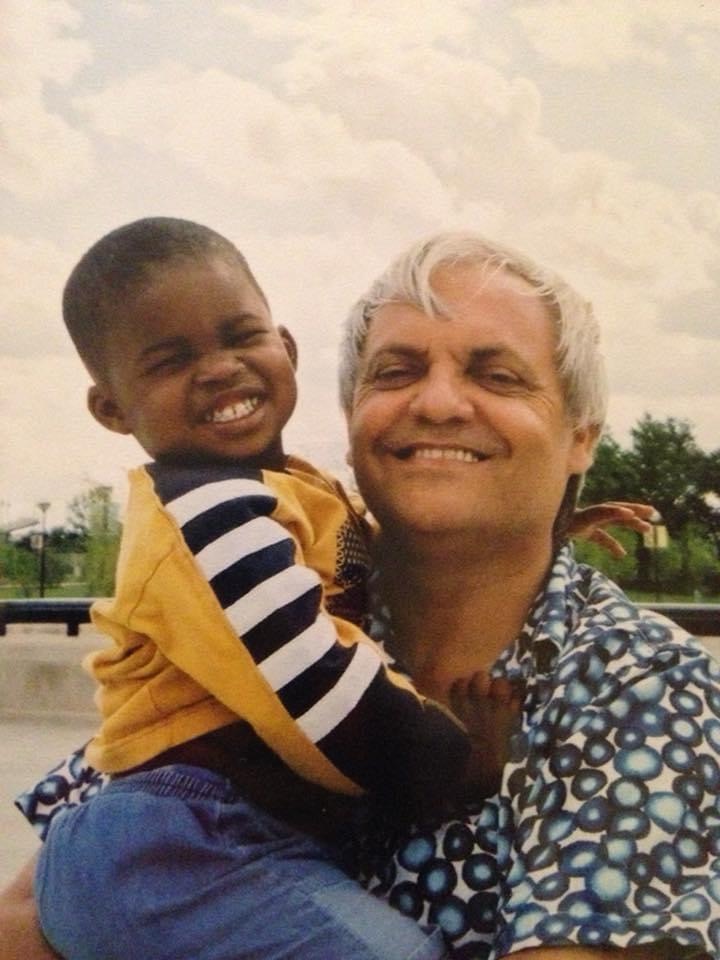
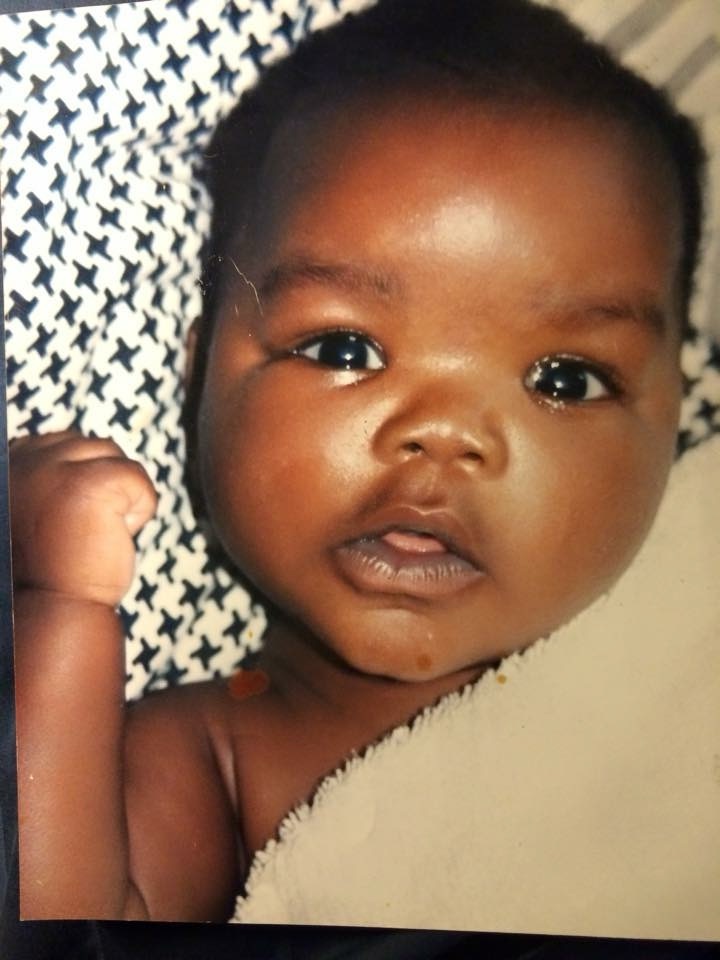
Jesus saw my Indianapolis-born son coming, too.
I didn’t. I had to decide blind.
Privacy laws permitted limited information – African American Male, Date of Birth, Full Term – was all I could know.
Pondering names for my son, whom I was yet to meet, the no guile or nothing false in Jesus’ description of Israelite-Nathanael wrapped it up for me.
Enroute from the courthouse to the hospital, custody papers in hand, with a stop at the K-Mart on Lafayette Road to pick up a few baby-essentials, I named a baby and formed a living link with a favorite character from the New Testament.
“Thula, Thula” I’d sing, following the maid around the house as she sang the prayerful lullabye. I could be on her back, tied with a blanket, listening to the Thula Thula song. The song was about a child urged not cry because the father will soon return from work on the gold mine. The song soothed and reached deeply into me, especially while tied to a maid’s back. There was not safer realm. Theres was no place warmer or more comfortable.
At 10 or 11 years old I learned from teenage boys and men named Thulani who came regularly into our dad’s tea-room the name means peace and stillness, to be quiet and comforted.
Temba means hope.
It is the name my adult Zulu friends called me once I reached adulthood and tried to unlearn so many things of childhood.
Although no one said it or taught it, I learned not to reveal excessive interest in the lives of the young men who came daily to the shop but rather to proffer indifference. I knew I was not to walk to the street corner too often in the evenings where they played lively music on guitars, hand made from wood attached to emptied cooking oil containers. No-one had to tell me of the barriers that came with my whiteness. I knew I was not to enjoy watching the young men dance and smoke the loose cigarettes – purchased from me at the tea-room, 2 cents each for unfiltered Lexingtons and 3 cents for filters – and laugh and rough-house bare foot on white suburban corners. The kitchen-boys’ or garden boys’ uniforms, white coarse red or blue trim v-neck shirts marked them legitimate workers in white suburbs even until late at night or at least until dad’s shop closed at 9.
They’d drift off to a concrete block room at the farthest corner of the yard of the property where they worked. The young men washed their master’s car and weeded the master’s yard, helped The Girl in the kitchen. I learned, although no one taught it or said it, to hide my interest. I wanted to join in and enjoy the lively music and playful antics and raucous laughter and the loud conversations which I could not understand.
But, I learned, although no one said it, to turn my desire to belong into a supervisory stance or glare which carried censure of the noise made by African young men in our white neighborhood where they were fortunate we allowed such antics.
Thulani and Temba were embedded into me by women who were our maids and who most certainly but unknowingly provided complete comfort, peace, solace for the living load tightly strapped to her body, riding her back and, everything I ever wanted for my infant son was provided unintentionally for me some 40-something years earlier when they sang his name.
“Choose something easier. Something American,” said a friend, “no one will remember it.”
 difficultrelationships.com